The Ten Thousand Islands: Florida's Last Genuinely Confusing Place
A mangrove archipelago south of Naples that has swallowed surveyors, smugglers and at least one GPS unit belonging to the author.

By Maren KesslerDecember 19, 2025 · 9 min read
In this guide
The short answer
What are the Ten Thousand Islands in Florida?
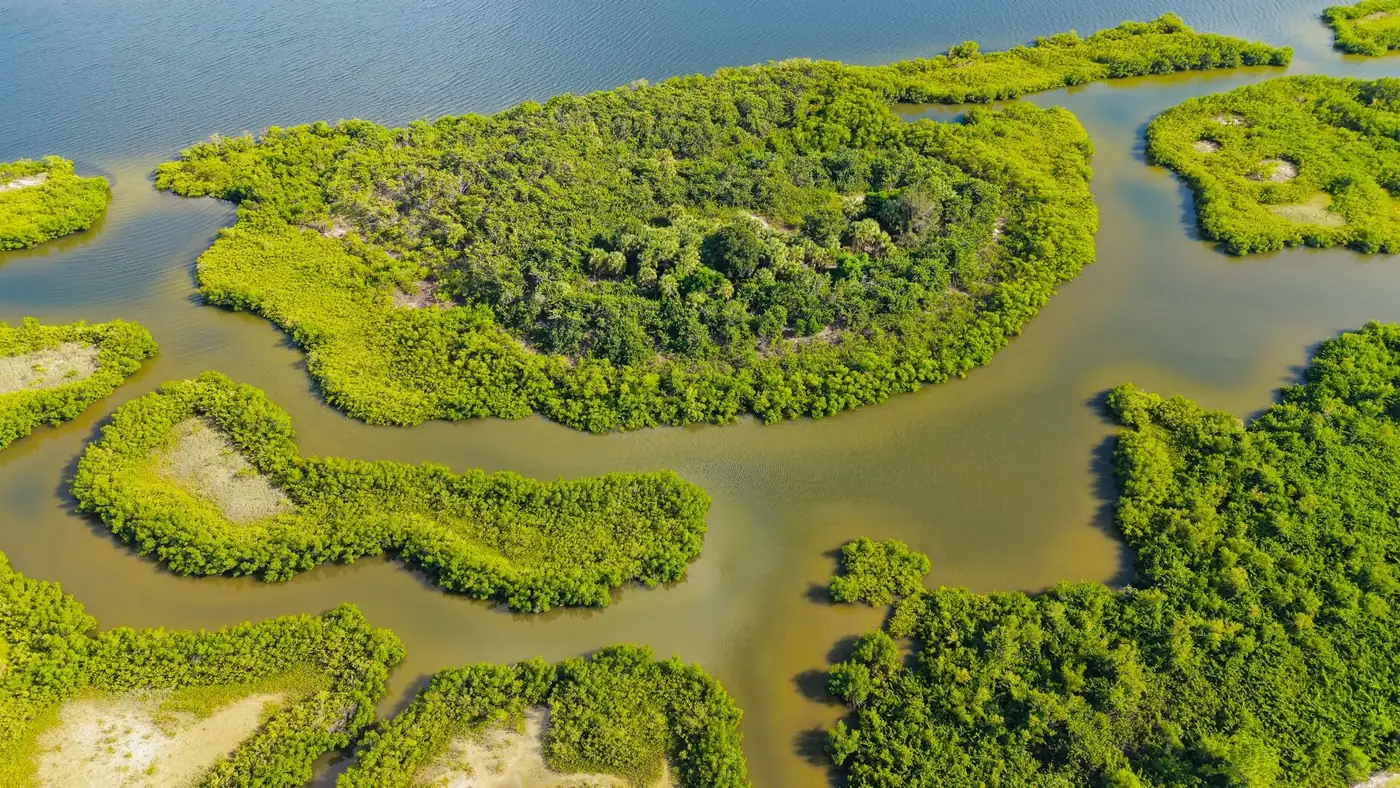
The Ten Thousand Islands are a mangrove archipelago stretching south from Naples along the Gulf edge of the Everglades — hundreds of low, unnamed islands separated by tidal creeks. There are no roads and few landmarks; navigation is by chart and local knowledge, which is why most visitors see them with a guide.
- A mangrove archipelago between Naples and the Everglades.
- Tidal creeks shift; charts and local knowledge matter more than GPS.
- Wildlife: dolphins, manatees, ospreys, wood storks, roseate spoonbills.
- No roads, no services — everything comes in by boat.
Start with the name, which is wrong in an instructive way. There are not ten thousand islands. Depending on the tide and how you define an island, there are somewhere between several hundred and a great many thousand, and the number changes twice a day. The place resists counting, which tells you most of what you need to know about it.
It begins just south of Marco Island and runs down the coast to Everglades City and beyond, a fifty-mile band of mangrove keys, oyster bars, tidal creeks and shallow bays that forms the western edge of the Everglades system. Some of it is national wildlife refuge, some is national park, and effectively none of it is developed.
Why it looks like that
Red mangroves build land. A propagule drifts, catches on an oyster bar, roots, and starts trapping sediment in the tangle beneath it. Over decades the trapped silt becomes a mound, the mound becomes an island, the island grows black mangrove and buttonwood behind the red fringe, and eventually a shell midden or a hurricane rearranges the whole calculation.
The Calusa, who ran this coast for well over a thousand years before Europeans arrived, accelerated the process by piling oyster shell into deliberate mounds. Several of the islands out here are, in part, archaeological structures. Chokoloskee is the famous one. You can stand on a shell mound that is thirty feet of discarded lunch.
What lives there
The estuary is the nursery for essentially everything that lives in the near-shore Gulf, which makes it dense with life in a way that open water is not.
- Snook, redfish and tarpon in the creeks and along the mangrove edges. Tarpon in the backcountry from roughly April through July is one of the great fisheries in North America.
- Bottlenose dolphins, which push far up into the estuary on high water and hunt the creek mouths on the fall.
- West Indian manatees, common in the warmer months and concentrated in the rivers when the Gulf cools.
- Roseate spoonbills, wood storks, reddish egrets, white pelicans in winter, and frigatebirds hanging over the passes.
- American crocodiles at the southern end — genuinely, this is the northern edge of their range — alongside the far more numerous alligators in the fresher water inland.
How people actually visit
By small boat, from Naples or Marco
The most common approach, and the one that covers the most ground. A shallow-draft boat can run the outside beaches and then duck into the creeks, which is the combination that makes the trip. This needs local knowledge — the channels are unmarked, the oyster bars are unforgiving, and the chart is a suggestion.
By kayak, from Everglades City
The purist option. The Wilderness Waterway runs 99 miles from Everglades City to Flamingo and people paddle it over eight or nine days, camping on chickees and beach sites by permit. Even a day paddle out of Chokoloskee Bay is a serious undertaking; the tide moves faster than most people expect and the wind has a long fetch.
By airboat, mostly not
Airboats belong on the freshwater sawgrass inland, not in the saltwater mangrove estuary. If a trip is sold as Ten Thousand Islands but leaves from a canal off the Tamiami Trail, you are getting the Everglades, which is a fine thing but a different thing.
Navigation, or the lack of it
This is the part visitors underestimate. Every mangrove island looks exactly like every other mangrove island. There are no landmarks, the creeks branch and rejoin, and at low tide the route you came in on is a mud flat. People get genuinely lost here — it has a long history of it, from Spanish survey parties to the modern boater who trusted a phone with no signal.
If you are going in without a guide: paper chart, real GPS, a compass, tide tables, more fuel than the trip requires, and a float plan left with someone on shore. If that list sounds excessive, that is the argument for going with someone who runs it weekly. A guided run out of Naples covers Rookery Bay, the back of Keewaydin and the northern islands comfortably in a half day and skips the part where you spend an hour aground on an oyster bar.
When to go
November through April is the dry season: fewer bugs, lower humidity, more comfortable everything. May and June are excellent on the water and the tarpon fishing peaks. July through September the estuary is at its most alive and also at its most demanding — heat, afternoon storms, and no-see-ums at dusk that will change your personality.
The mosquitoes here were the reason this coast stayed empty for four hundred years. They have not been informed that the situation has changed.
Common questions
- Where are the Ten Thousand Islands?
- Along the southwest Florida coast between Marco Island and Everglades City, forming the western edge of the Everglades. The northern end is roughly thirty minutes by boat from Naples.
- Are there really ten thousand islands?
- No. The count is somewhere in the hundreds to low thousands depending on the tide, and it genuinely changes between high and low water.
- Can you visit the Ten Thousand Islands from Naples?
- Yes. The northern islands and the Rookery Bay estuary are within easy reach of a half-day boat trip from Naples Bay. The deeper backcountry is usually approached from Everglades City.
Keep reading
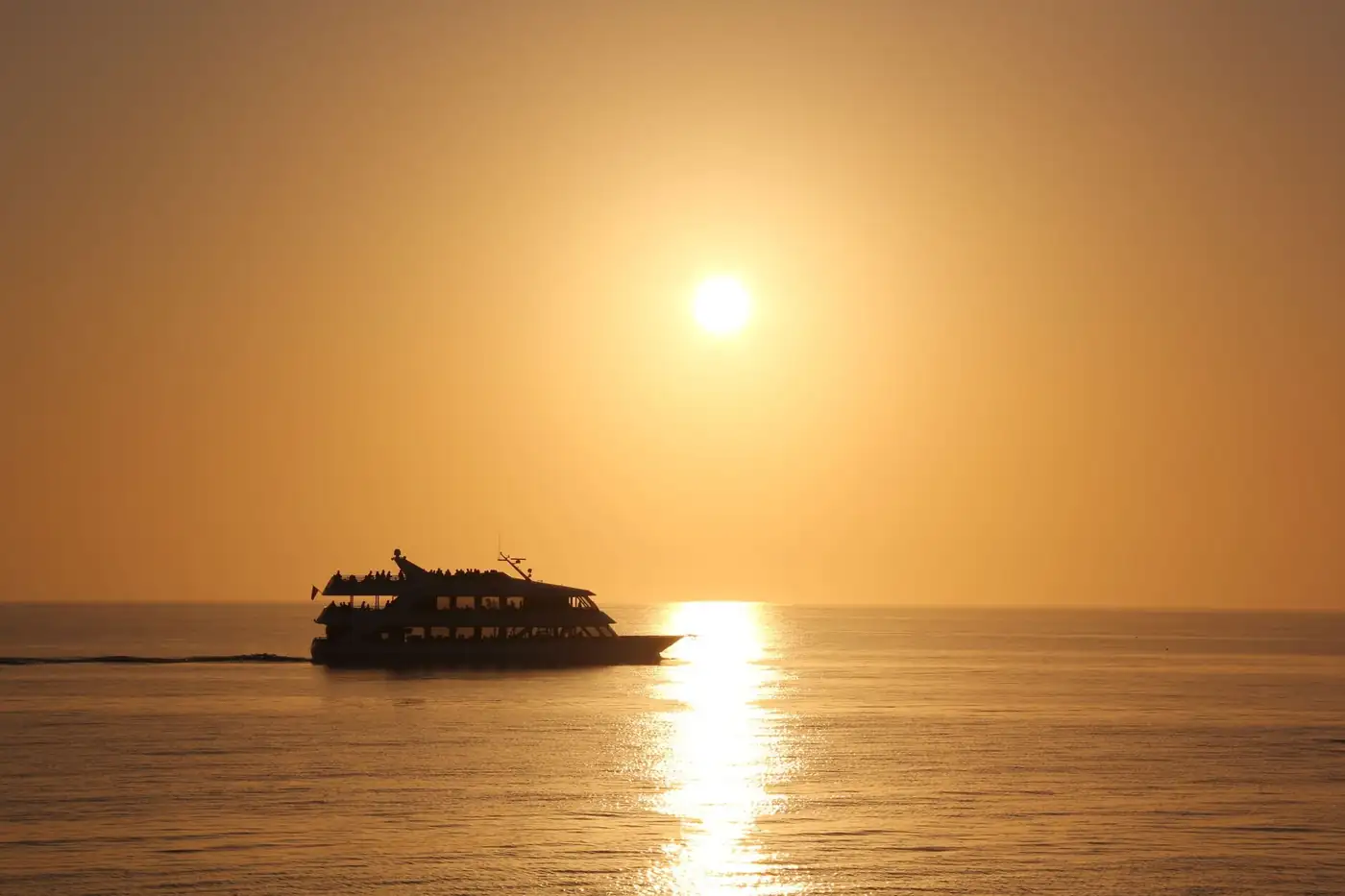
The Naples Sunset Cruise, Honestly Assessed
Naples faces due west, which means the sun sets into open water 365 nights a year. Here is how to be in the right place when it does.
August 6, 2026
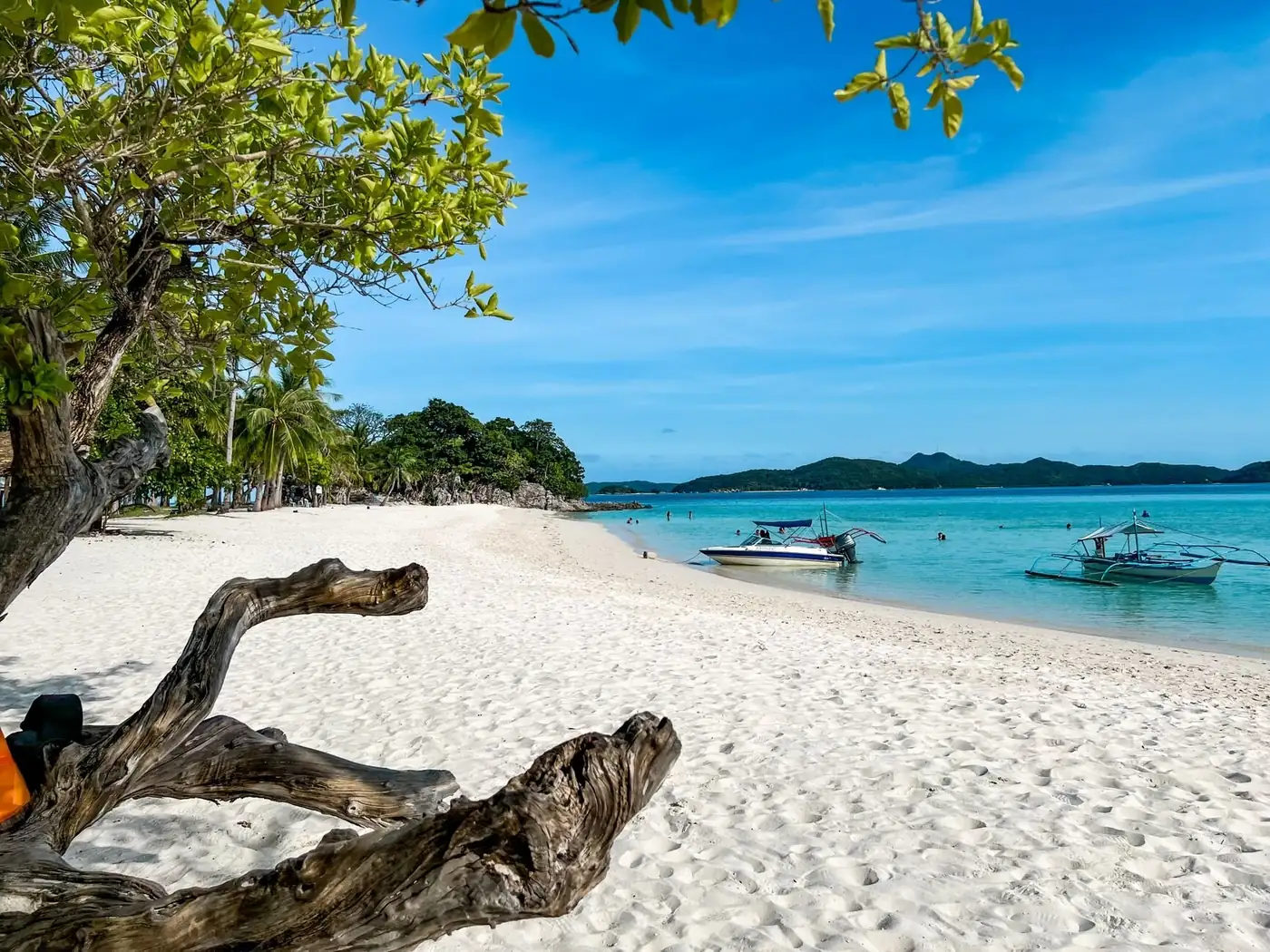
Keewaydin Island: How to Actually Get to the Best Beach in Naples
Eight miles of undeveloped Gulf shoreline sitting a mile from one of the wealthiest zip codes in Florida, and almost nobody on it. The reason is simple: you cannot drive there.
August 4, 2026
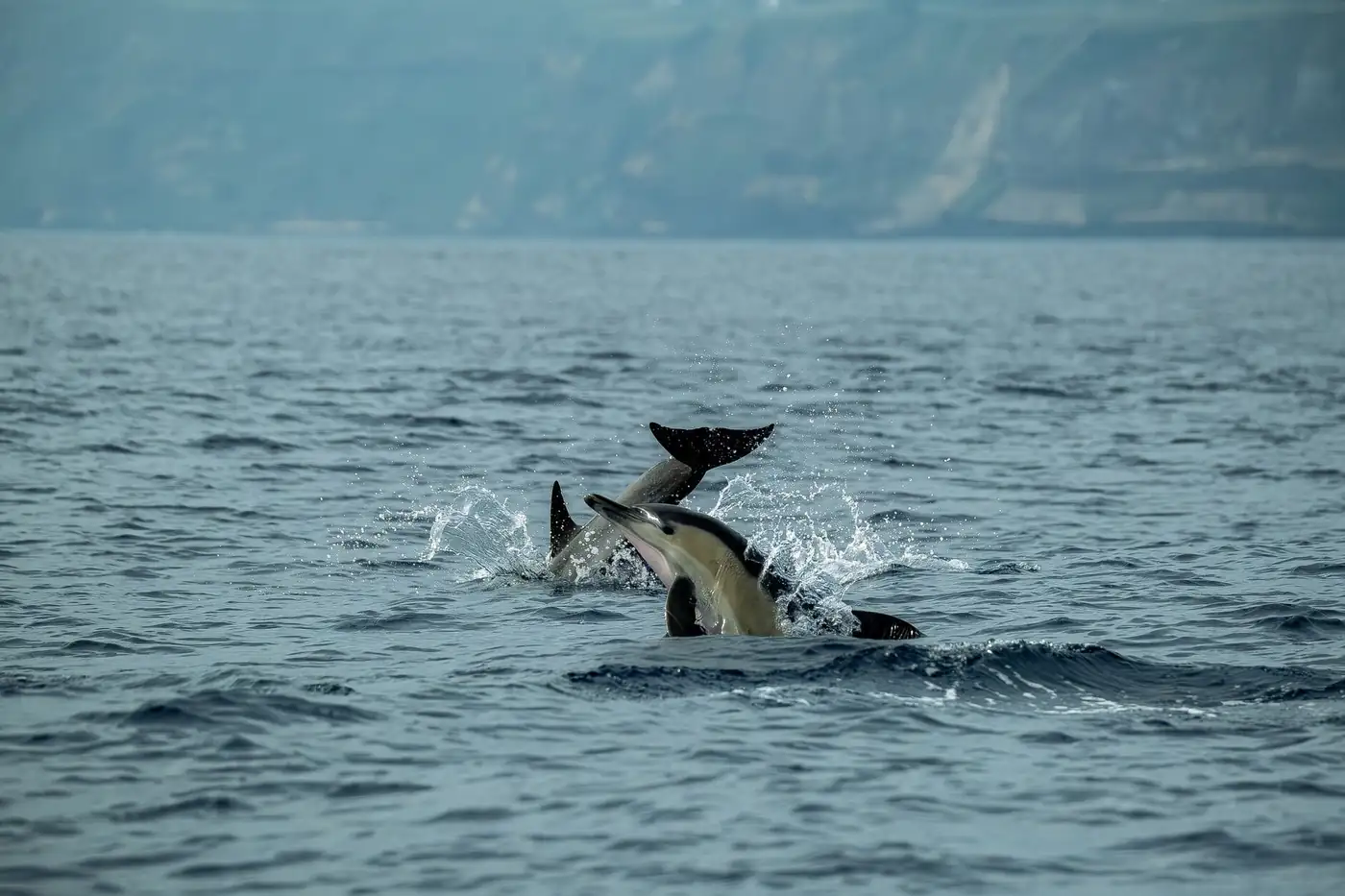
Dolphin Watching in Naples: When, Where, and How Not to Waste a Morning
There are dolphins in Naples Bay almost every day of the year. Whether you see them mostly comes down to timing, water surface, and being somewhere they have a reason to be.
February 11, 2026