Dolphin Watching in Naples: When, Where, and How Not to Waste a Morning
There are dolphins in Naples Bay almost every day of the year. Whether you see them mostly comes down to timing, water surface, and being somewhere they have a reason to be.

By Maren KesslerFebruary 11, 2026 · 9 min read
In this guide
The short answer
Where and when can you see dolphins in Naples, Florida?
Bottlenose dolphins live in Naples Bay and the passes year-round and are seen on most outings. Early morning and the two hours before sunset are best, when the water surface is glassy and fish are moving through Gordon Pass. A small private charter out of Naples Bay gives the highest hit rate.
- Dolphins are resident, not seasonal — sightings happen year-round.
- Best conditions: glassy water, early morning or the hours before sunset.
- Gordon Pass and the bay's tidal edges are the reliable spots.
- Smaller boats can work the shallow edges where dolphins actually feed.
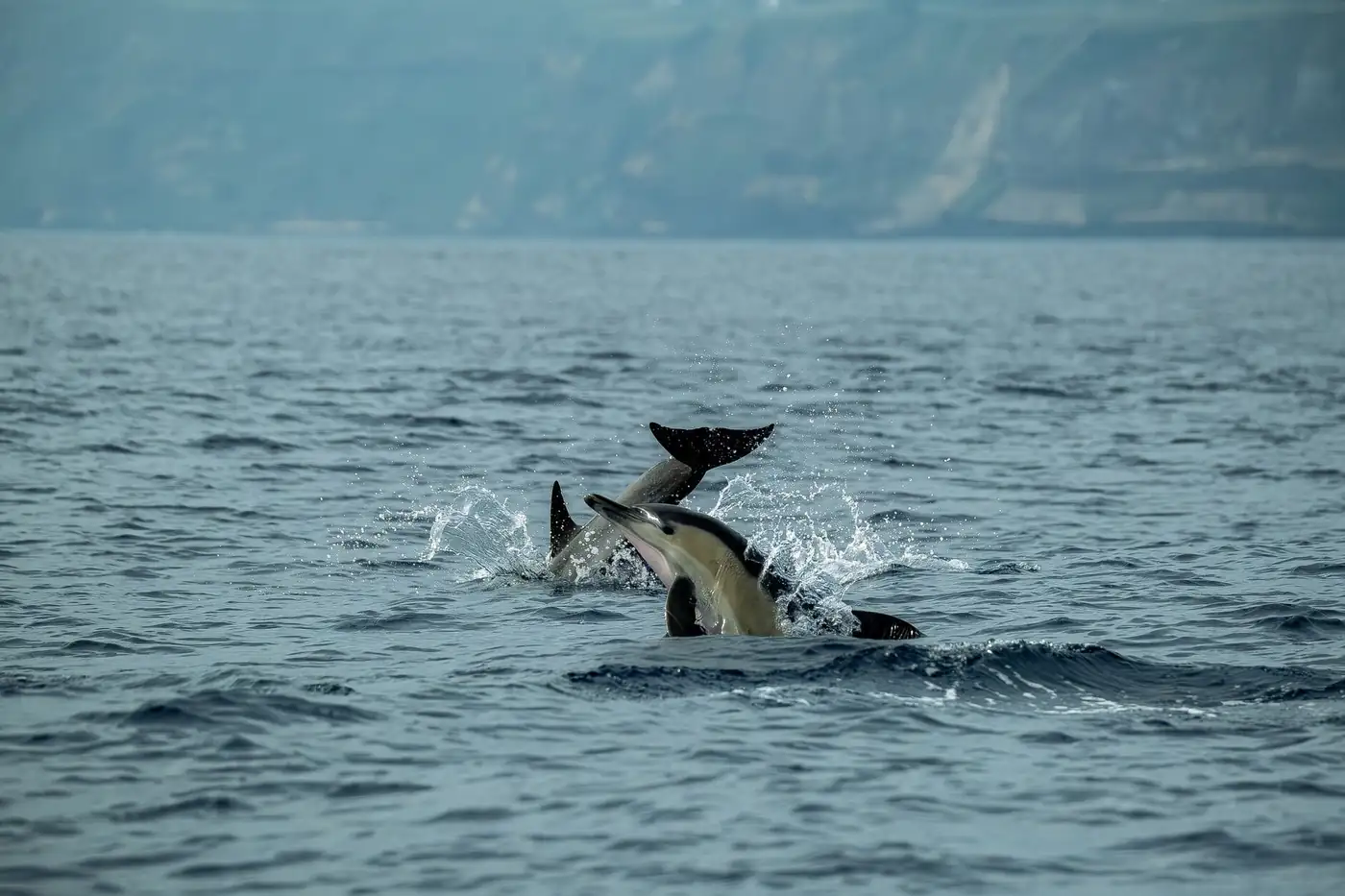
The resident bottlenose dolphins in the waters around Naples are not a seasonal attraction. They are neighbours. A stable community of them works Naples Bay, Gordon Pass, Dollar Bay and the near-shore Gulf year round, and individual animals are recognisable to people who spend enough time out there — a notched dorsal fin, a pale scar, a habit of following the same shrimp boat.
Which means the question is never really whether dolphins are here. It is whether you happen to be looking at the right patch of water at a moment when one comes up to breathe. That is a much more solvable problem than most visitors assume, and it has almost nothing to do with luck.
The three things that actually determine a sighting
Ask ten captains and you will get roughly the same three answers, in the same order.
- 01Surface conditions. A dolphin's dorsal fin is maybe eight inches of dark grey in a very large amount of water. On a glassy morning you will spot one from three hundred yards. In a two-foot chop you will miss one at forty. This single variable outweighs everything else.
- 02Moving water. Dolphins hunt where the current pushes bait into a bottleneck: passes, channel mouths, the down-current side of oyster bars, the edges of dropoffs. Slack tide scatters the fish and the dolphins go quiet with them.
- 03Time of day. Early morning and the last two hours before dark are when both the wind and the boat traffic are lowest, which loops back to point one.
Where to look from land
You do not need a boat to see dolphins in Naples, though you do need patience and a good vantage point over moving water.
Naples Pier
The obvious one, and it does work — particularly in the hour after sunrise, when the Gulf is oil-flat and the pier is nearly empty. Stand near the end and watch the water on the north side. Dolphins here tend to be transiting rather than feeding, so you get quick passes rather than long sessions.
Gordon Pass
This is the front door between Naples Bay and the Gulf, and on an outgoing tide it becomes a conveyor belt of baitfish. If you can find a legal spot to stand and watch the pass, the dolphin activity on a strong falling tide can be relentless. The catch: most of the shoreline is private, so realistically this one is a boat view.
Tigertail Beach, Marco Island
Twenty-five minutes south. The lagoon and the sandbar out front hold bait, and the shallow water means any dolphin working the area is very visible. Also one of the better wading-bird spots in the county, which makes the wait less of a wait.
Rookery Bay boardwalks
The reserve south of town protects around 110,000 acres of mangrove estuary, and the visitor centre at Rookery Bay is the easiest legal access to that world on foot. Dolphins do come well up into the estuary on high water. You can plan a visit through the reserve's own site at rookerybay.org.
Why the water is the better vantage point
Standing on a fixed point and hoping animals swim past it is a fundamentally worse strategy than moving to where the animals already are. From the pier you are watching a hundred-yard arc. From a boat working the bay and the pass you are covering several miles of exactly the habitat dolphins prefer, and you can sit on a productive spot instead of a convenient one.
The other thing a boat gets you is behaviour. From shore, a dolphin is a fin. From forty feet away in the bay you get the whole grammar of it: mud-ring feeding, where an animal kicks up a wall of silt to panic a school of mullet into jumping straight into its mouth; mothers running calves in the shallows; the strand-feeding and bow-riding that make the whole thing feel less like wildlife viewing and more like being briefly included in something.
Most visitors do this as a two-hour trip out of Naples Bay. Small boats are considerably better than big ones for this — fewer people, quieter approach, and a captain who can idle into water a larger hull cannot enter. The trip we send people on is the six-guest private charter out of the city dock with Naples Luxury Boat Tours, because six people on a boat see a lot more than sixty do.
Season by season
- December to April — Dry season. Consistently calm mornings, cool clear water, excellent visibility. The best stretch of the year for reliability, and also the busiest.
- May to June — Arguably the sweet spot. Water is warming, bait is thick, mornings are still glassy, and the winter crowds have gone home.
- July to September — Excellent early, unreliable later. Get out at dawn and be off the water by early afternoon when the storms build. Dolphin activity itself is high; the weather is the constraint.
- October to November — Mullet run. Enormous schools of mullet move along the coast and every predator in the region follows them. If you are here in October, this is the show.
Watching them without bothering them
Bottlenose dolphins are protected under the Marine Mammal Protection Act. The federal guidance is to stay at least 50 yards away, never feed them, never swim with or pursue them, and put the engine in neutral if animals approach you rather than steering into them. Feeding wild dolphins is not just discouraged, it is illegal, and it reliably shortens their lives by teaching them to beg around boats and hooks.
The animals that come to you are the good sightings. The ones you chase are just a wake with a fin in it.
What to bring
- Polarised sunglasses. Not optional. They cut the surface glare that hides everything below it.
- A hat that survives 25 knots of apparent wind, or no hat at all.
- Reef-safe sunscreen, applied before you leave rather than on the boat.
- A camera you can operate one-handed. Dolphins surface for about a second and a half.
- Water. More than you think. The Gulf sun is deceptive in the morning breeze.
Common questions
- What time of day is best for dolphin watching in Naples?
- The first two hours after sunrise, followed by the last two hours before sunset. Both windows combine calm water, low boat traffic and active feeding on a moving tide.
- Are there dolphins in Naples year round?
- Yes. The bottlenose population around Naples Bay and the near-shore Gulf is resident, not migratory, so sightings are possible in every month of the year.
- Can you see dolphins from Naples Pier?
- Regularly, especially at first light when the Gulf is calm. Sightings from the pier tend to be brief passes rather than sustained feeding activity.
- How close can you legally get to a dolphin in Florida?
- NOAA guidance is to remain at least 50 yards away and never feed or pursue them. If dolphins approach your boat on their own, put the engine in neutral and let them decide the distance.
Keep reading
The Naples Sunset Cruise, Honestly Assessed
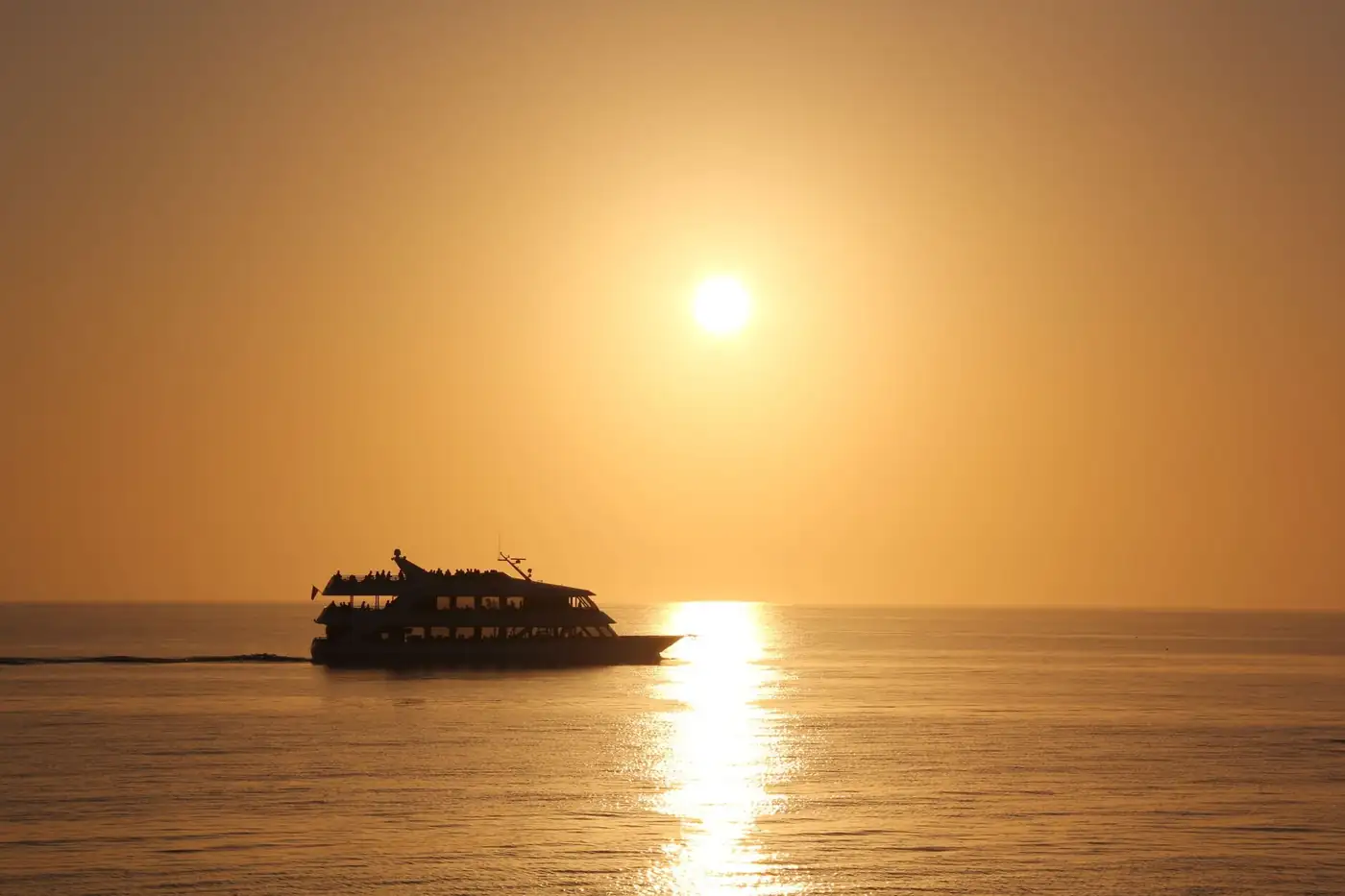
Naples faces due west, which means the sun sets into open water 365 nights a year. Here is how to be in the right place when it does.
August 6, 2026
Keewaydin Island: How to Actually Get to the Best Beach in Naples
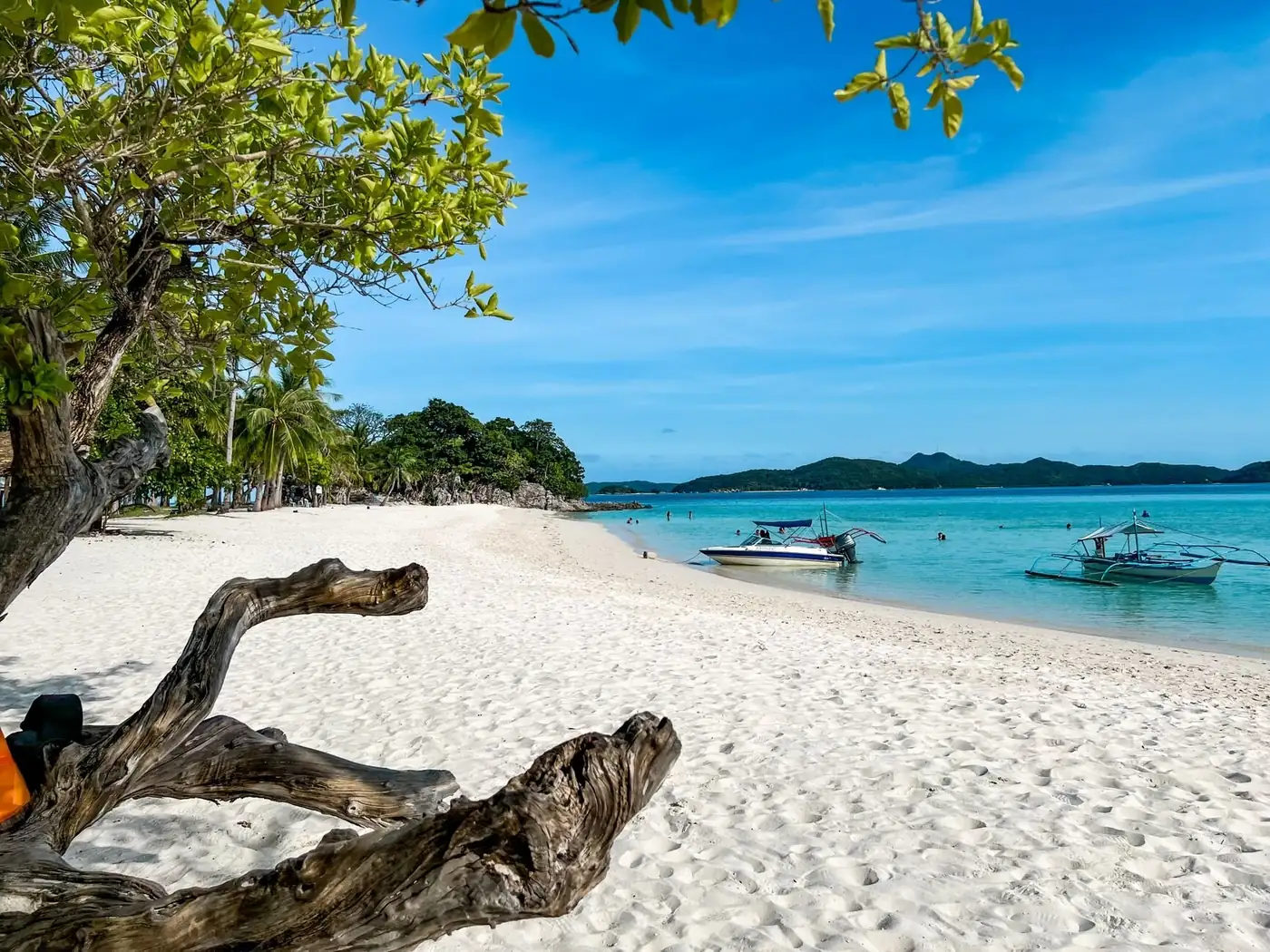
Eight miles of undeveloped Gulf shoreline sitting a mile from one of the wealthiest zip codes in Florida, and almost nobody on it. The reason is simple: you cannot drive there.
August 4, 2026
A Day on the Water in Naples: How Locals Actually Structure It
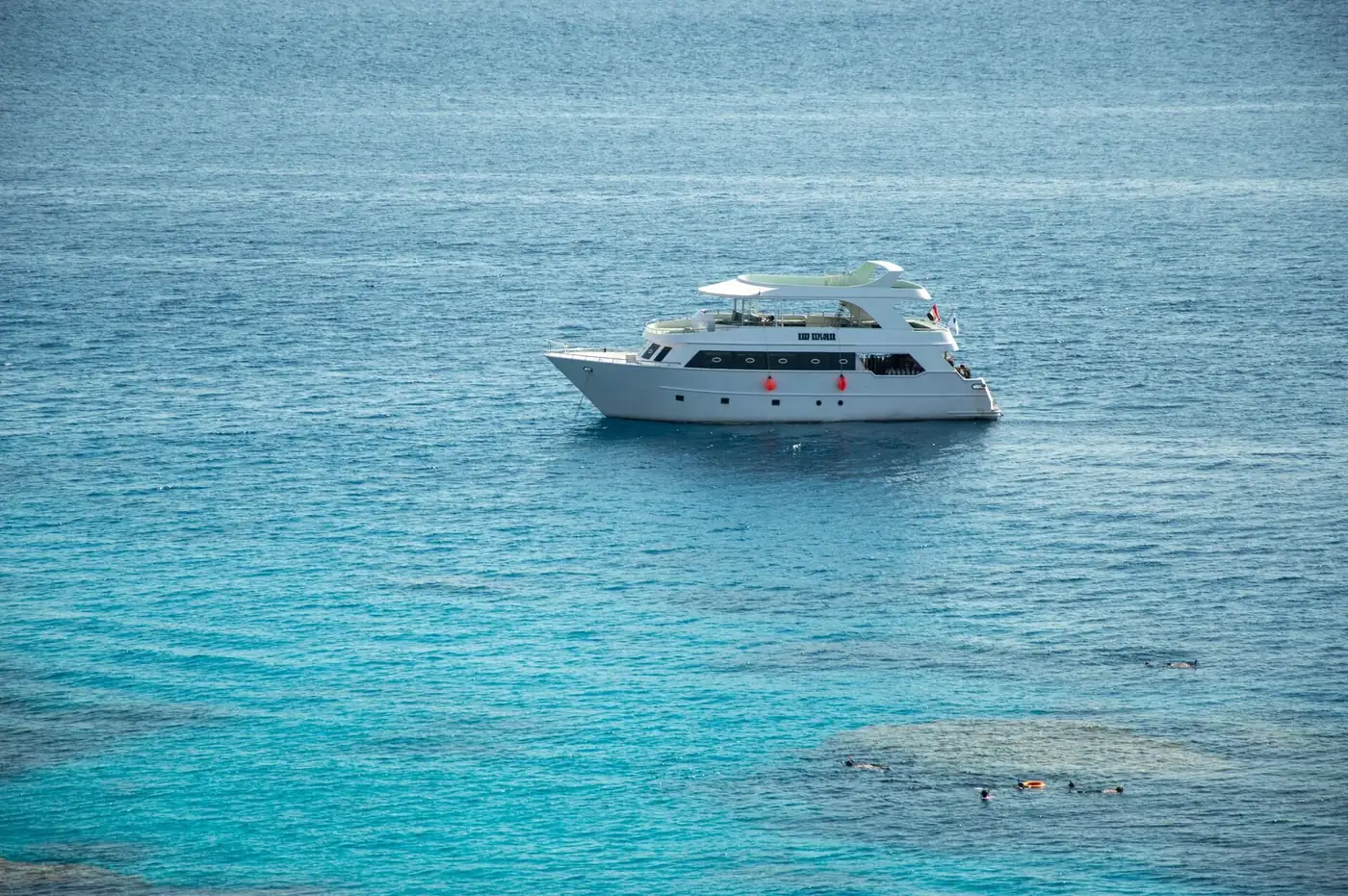
The single best day you can have in this town costs less than a round of golf and involves no golf. Here is how the day is built.
January 28, 2026