Manatees, Spoonbills and Ospreys: A Field Guide to Naples Without Leaving Town
The estuary behind this town is one of the densest concentrations of wildlife in North America, and most of it is visible from a boardwalk.

By Maren KesslerDecember 5, 2025 · 8 min read
In this guide
The short answer
What wildlife can you see in Naples, Florida?
Naples sits against one of North America's densest estuaries. Bottlenose dolphins are in the bay year-round, manatees move into warm canals from November to March, and roseate spoonbills, ospreys, wood storks and white pelicans are common on the boardwalks at Corkscrew Swamp and Rookery Bay.
- Dolphins are resident in Naples Bay and visible most days of the year.
- Manatees concentrate in warm inland water November through March.
- Roseate spoonbills feed at low tide in shallow estuary flats.
- Corkscrew Swamp Sanctuary and Rookery Bay give boardwalk access without a boat.
Naples sits on the edge of the largest mangrove estuary in North America. Rookery Bay alone protects around 110,000 acres of it, and the Everglades system runs east from there to the horizon. What that means practically is that a town with excellent restaurants and a very high average age is also, without much fuss, one of the better wildlife destinations in the country.
Manatees
West Indian manatees are here year round but their distribution changes sharply with water temperature. Below about 68°F they need warm-water refuge, so from December through February they concentrate in the rivers and canals inland. In the warmer months they spread out through the bays and you find them cropping seagrass in three feet of water, or asleep just under the surface looking exactly like a grey boulder that occasionally breathes.
- Best chance from land: the Naples Bay seawalls and the canals off the Gordon River, particularly on a cold morning in January.
- Best chance overall: the back bays on a rising tide in April or October.
- Watch for the footprint — a smooth circular patch of flat water left by the tail. It means one just went down and will come up within a minute or two.
The birds, which are the main event
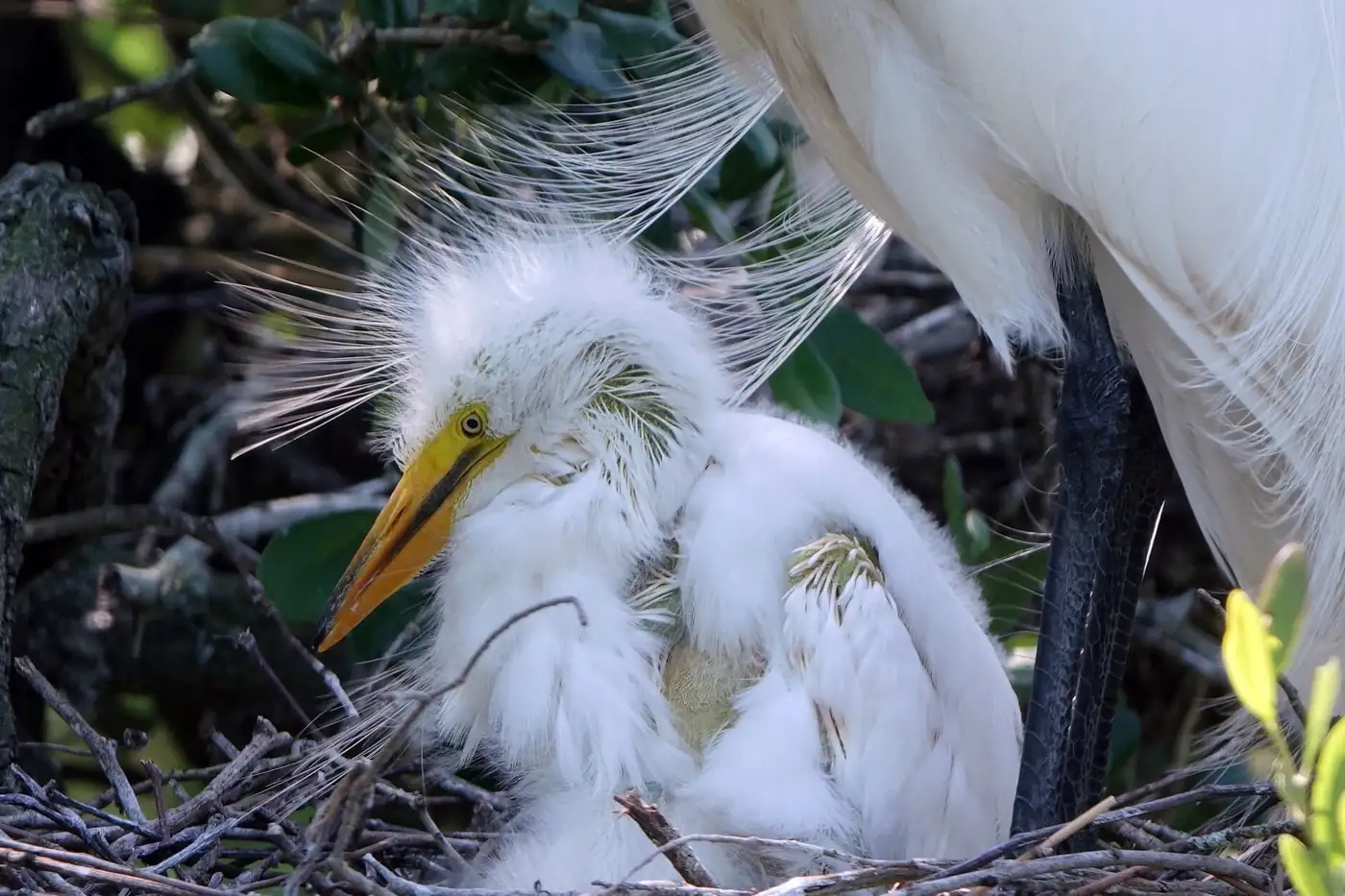
Roseate spoonbill
Pink, absurd, and once nearly extirpated from Florida for the millinery trade. Adults are a deep rose with a red shoulder patch and that flattened spatula of a bill, which they sweep side to side through shallow water. Best in the shallow flats of Rookery Bay and Tigertail Lagoon at low tide, and most colourful in the spring breeding season.
Osprey
The most reliable wildlife in Naples. They nest on channel markers, light poles and dead pines all over the city, and you will see one carrying a fish head-first — always head-first, for aerodynamics — within a day of arriving. Nesting runs December through April, and the nests on the bay markers are effectively guaranteed sightings.
Wood stork
Large, bald-headed, prehistoric-looking, and federally threatened. Corkscrew Swamp Sanctuary east of town is the classic place to see them, along with the largest remaining stand of old-growth bald cypress in North America. The boardwalk there is 2.25 miles and one of the best half-days in southwest Florida.
Reddish egret
The one worth learning to recognise, because it hunts by staging a small performance — running, stumbling, spinning and canopying its wings to spook fish out of hiding. Uncommon. Tigertail Beach lagoon is the local hotspot.
White pelicans
Winter only, November to March, and worth a mention because visitors assume they are seeing the familiar brown pelicans. They are not. White pelicans are enormous — a nine-foot wingspan — and they feed cooperatively, herding fish in a line rather than diving.
Sea turtles
Loggerheads nest on the Collier County beaches from May through October, with green turtles occasionally joining them. Nests are marked and monitored by county staff and volunteers. During the season, beachfront lighting is restricted, holes dug in the sand must be filled before dusk, and beach furniture should come off the sand overnight — a hatchling that falls into a hole or turns toward a bright condo instead of the water usually does not make it.
Where to go, ranked by effort
- 01Naples Bay seawalls and the Gordon River — ospreys, pelicans, manatees, no planning required.
- 02Clam Pass boardwalk — mangrove birds, fiddler crabs, wading birds at low tide, twenty minutes on foot.
- 03Tigertail Beach, Marco Island — the best shorebird lagoon in the region, especially on a falling tide.
- 04Rookery Bay Reserve — the estuary properly, with a visitor centre and trails; details at rookerybay.org.
- 05Corkscrew Swamp Sanctuary — old-growth cypress, wood storks, and in a wet winter the celebrated painted buntings at the feeders.
- 06The backwaters by boat — where the density is highest and the animals are least habituated to people.
That last one is the difference between seeing wildlife and watching it. On foot you are working the edges of the estuary; from a shallow-draft boat you are inside it, drifting a creek mouth at the top of the tide with spoonbills forty feet away and no engine running. It is also the only realistic way to see dolphins behaving naturally rather than transiting past a pier.
Anywhere else, a pink bird with a spoon for a face would be the headline. Here it is a Tuesday.
Common questions
- Where can you see manatees in Naples, Florida?
- In the Gordon River and Naples Bay canals during cold snaps from December to February, and spread through the shallow back bays in the warmer months.
- What is the best time of year for birdwatching in Naples?
- December through April. Winter brings migratory species including white pelicans, and the dry season concentrates wading birds in shrinking pools of water.
- Do you need a guide to see wildlife in Naples?
- No — the boardwalks at Clam Pass, Corkscrew and Rookery Bay are excellent on foot. A boat is only necessary for the backwater creeks and the barrier-island shorelines.
Keep reading
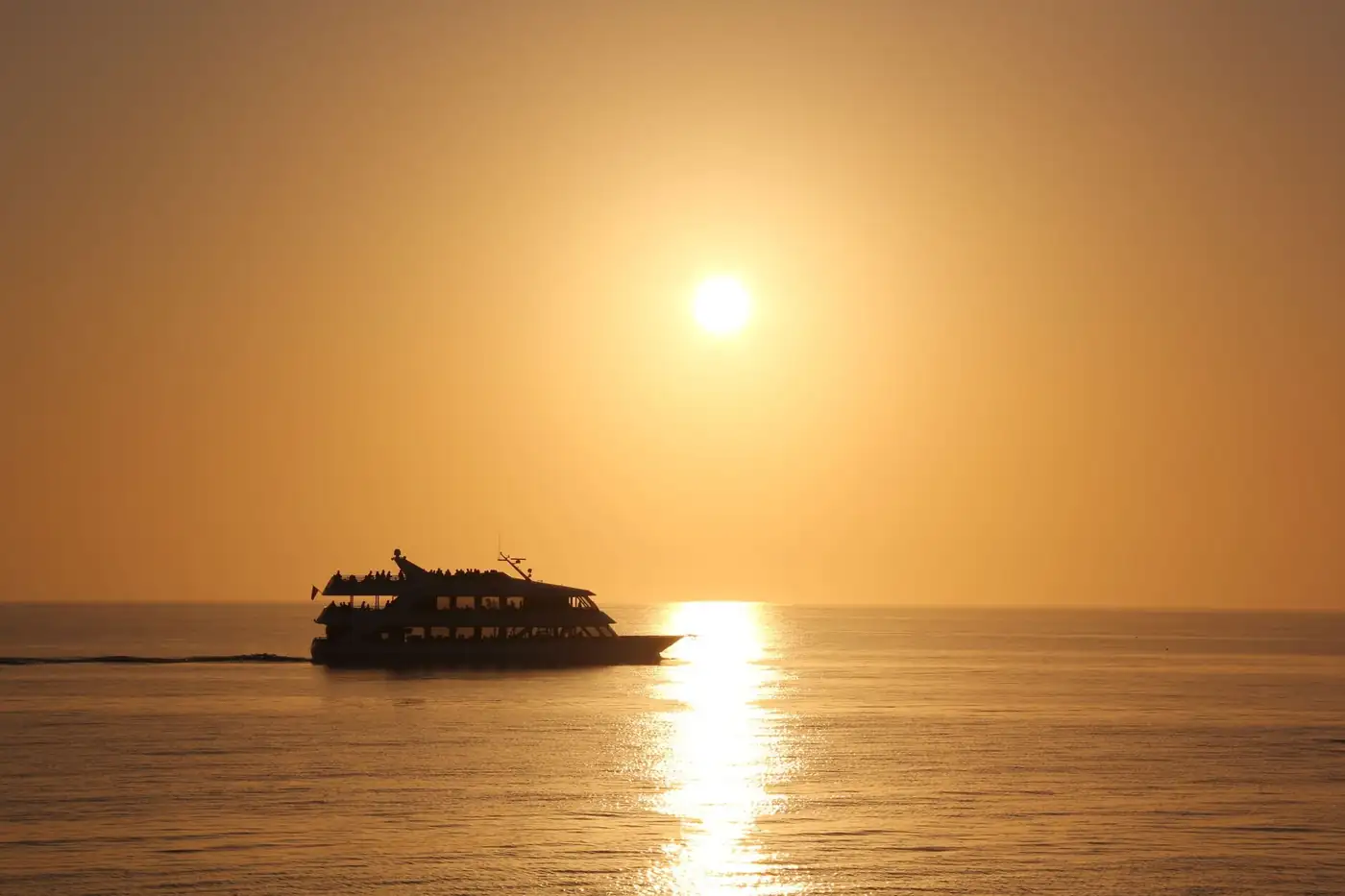
The Naples Sunset Cruise, Honestly Assessed
Naples faces due west, which means the sun sets into open water 365 nights a year. Here is how to be in the right place when it does.
August 6, 2026
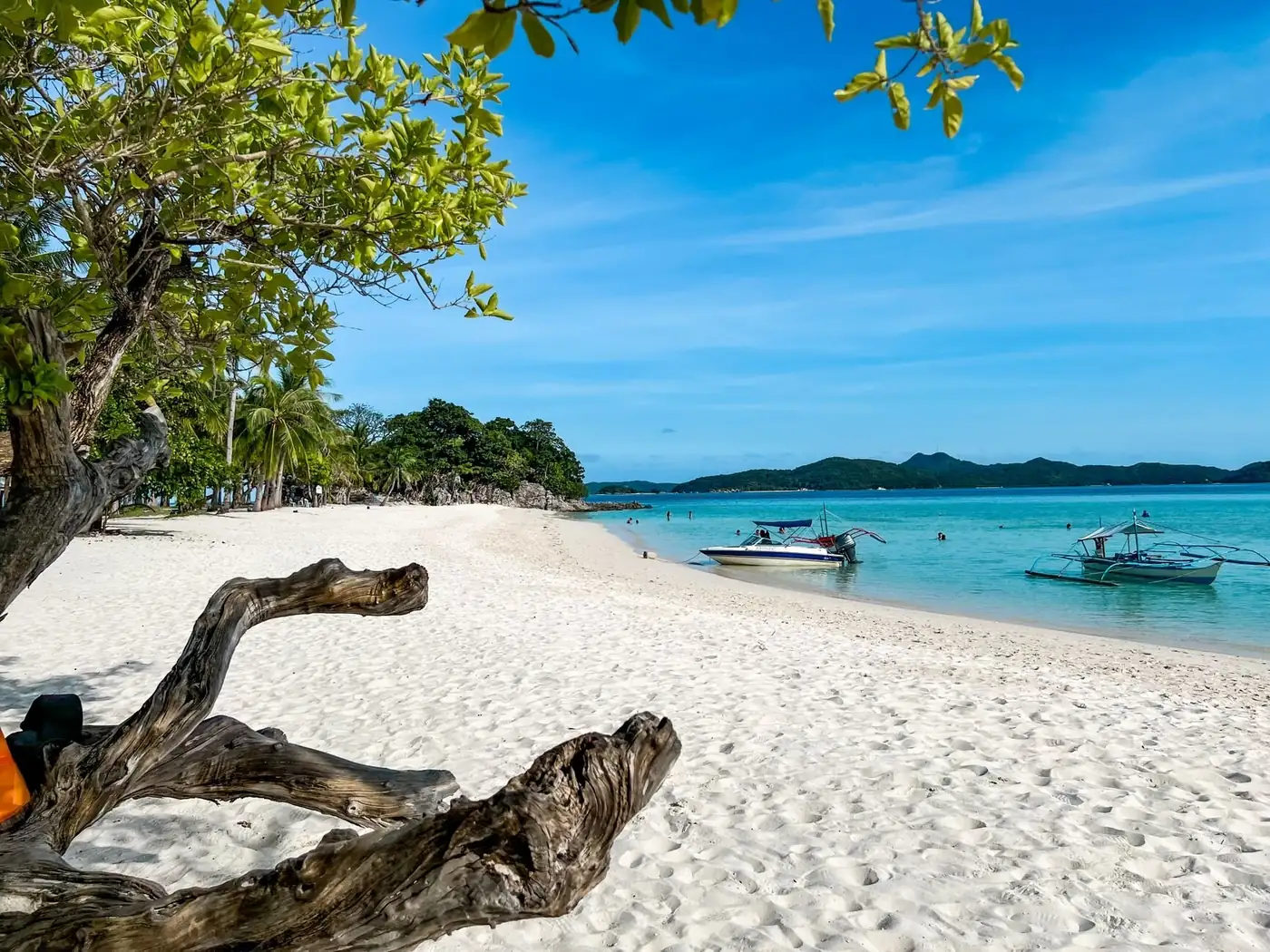
Keewaydin Island: How to Actually Get to the Best Beach in Naples
Eight miles of undeveloped Gulf shoreline sitting a mile from one of the wealthiest zip codes in Florida, and almost nobody on it. The reason is simple: you cannot drive there.
August 4, 2026
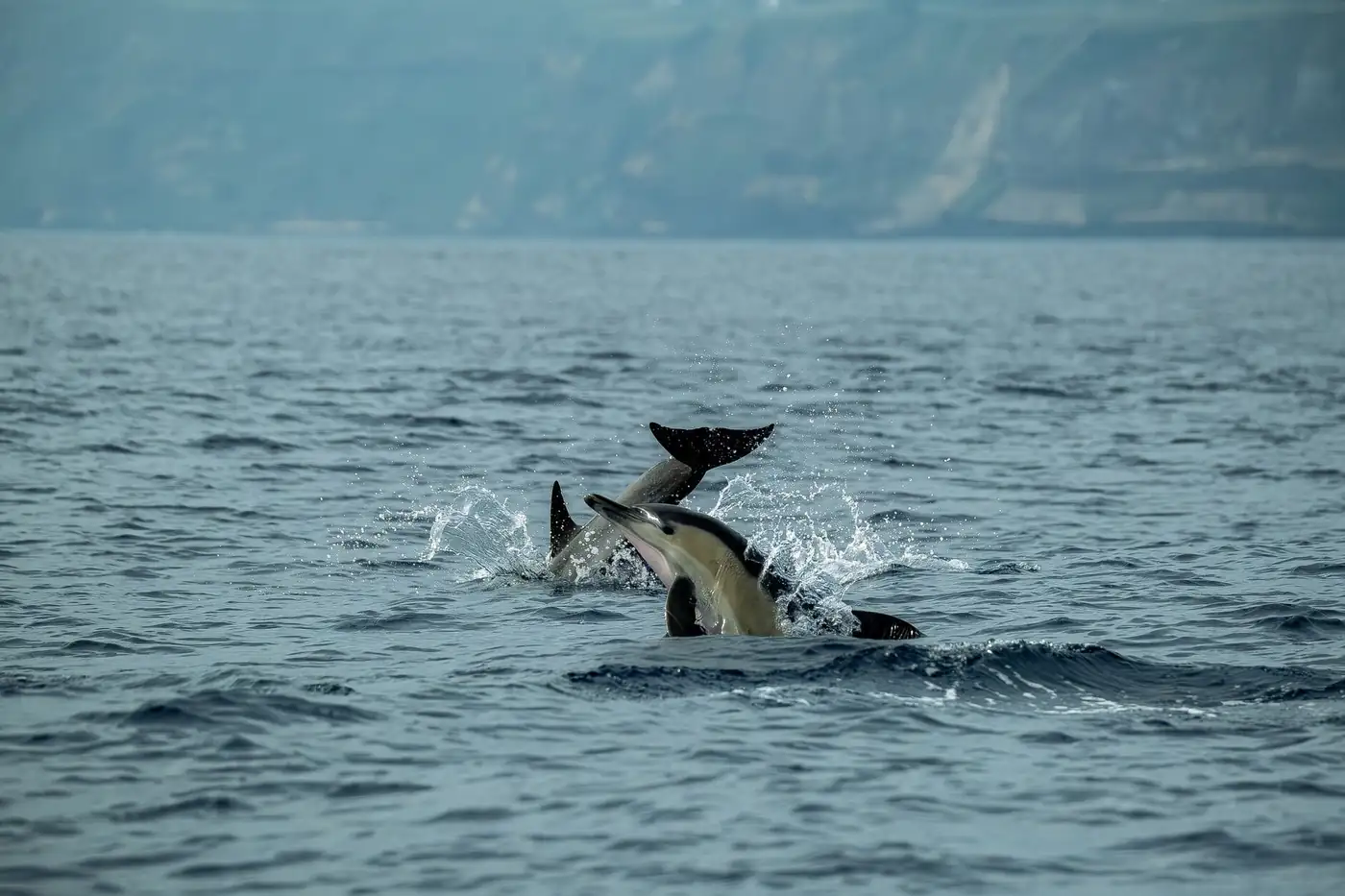
Dolphin Watching in Naples: When, Where, and How Not to Waste a Morning
There are dolphins in Naples Bay almost every day of the year. Whether you see them mostly comes down to timing, water surface, and being somewhere they have a reason to be.
February 11, 2026